
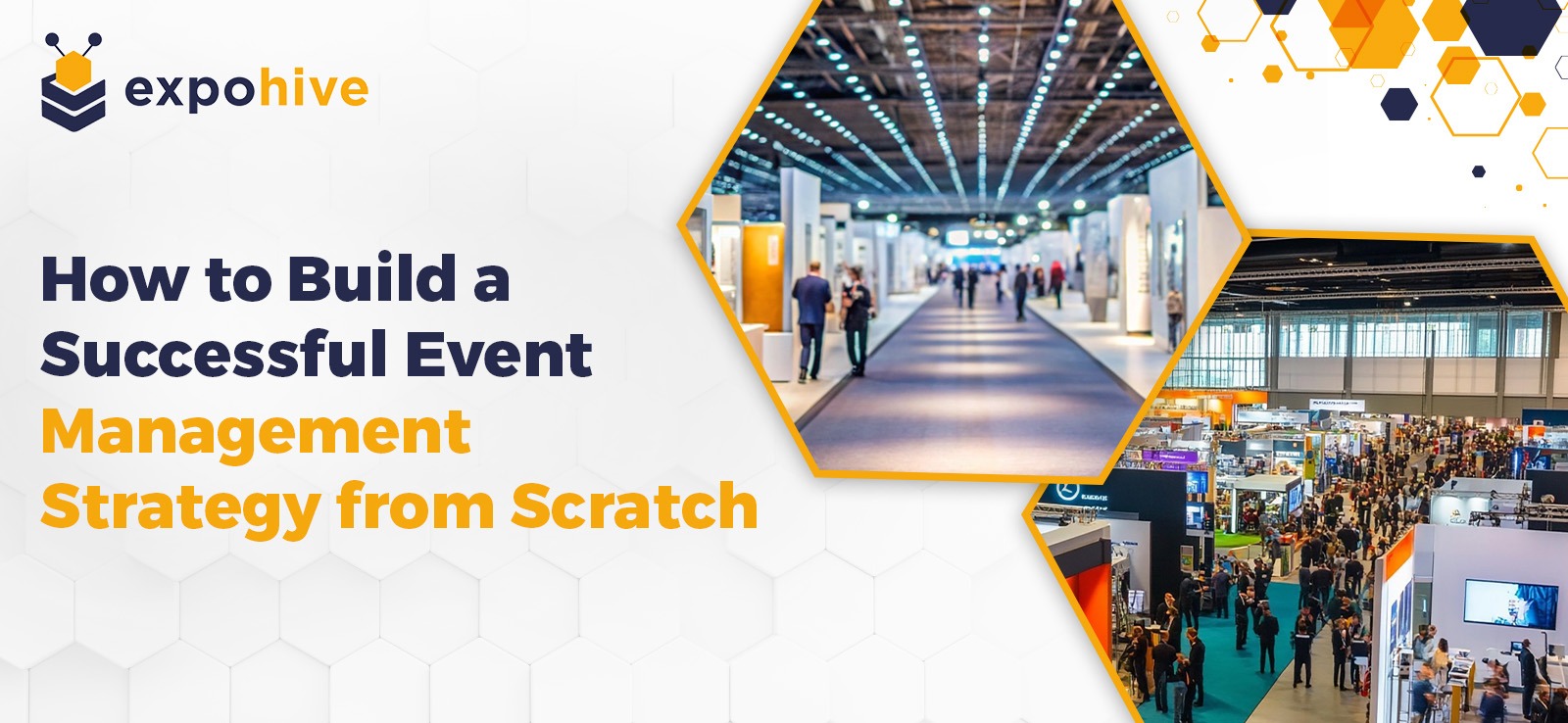
Most event management blogs will tell you to "set clear goals" and "know your audience." True, but not very useful. The real reason events fall apart has less to do with vague planning and more to do with what happens on the ground: exhibitors stuck filling paper forms, visitors standing in a check-in queue that snakes around the block, and organisers refreshing five different spreadsheets to figure out how many people actually showed up. The gap between a forgettable event and a memorable one usually comes down to technology. This is where a platform like Expohive changes the entire event management equation.
The Exhibitor Problem Nobody Talks About
Ask any organiser what eats up the most time before an expo, and exhibitor coordination comes up first. Applications land in inboxes, booth requests get tracked on a whiteboard, and payments get chased over WhatsApp. It works, until it doesn't, usually right when exhibitor numbers cross a hundred. This is exactly the kind of event management headache that scales badly with size.
Exhibitors log in, view an interactive floor plan, pick their own booth, upload their collateral, and pay online, all without a single email back and forth. On the organiser's side, the floor plan fills up live, so there is no double-booking and no last-minute scramble to figure out who is going where. Contracts, invoices, and lead capture data sit in the same portal, which means exhibitors also walk away with usable analytics instead of a stack of business cards. This is event management the way it should work: visible, automatic, and stress-free.
Ticketing and Check-In: Where Most Events Lose Time
Long check-in lines are the first impression an event makes, and they are almost always the wrong one. Visitors queue up, hand over printed tickets, wait for their name on a list, then wait again for a badge to be handwritten. No amount of good event management planning fixes a slow entry line by itself.
Expohive collapses this into a QR-based self-check-in kiosk. Visitors buy tickets online with tiered pricing and promo codes, receive a QR pass, and print their own badge in seconds at the venue. There is no clipboard, no manual list-checking, and no bottleneck at the door. Organisers get a live headcount and zone-level footfall analytics as the day unfolds, which means staffing and crowd flow decisions can be made in real time instead of being guessed at afterward. That kind of real-time visibility is what modern event management is supposed to deliver.
Networking That Actually Delivers Meetings
Networking is the part of an event everyone claims to value, and almost nobody plans for properly. Business cards get exchanged, and most end up in a drawer. The follow-up rarely happens, and no spreadsheet-based event management approach fixes that on its own.
Expohive's B2B networking module for event management works differently. It reads attendee goals and industry interests and suggests high-value matches before the event even begins. Attendees can book meeting slots at branded tables, get reminders, and exchange digital business cards instead of paper ones. The result shows up in the numbers: events on Expohive have reported a 92% B2B match rate, and three times more qualified meetings booked compared to events without this kind of matchmaking. That is not a marginal improvement in event management outcomes. That is the difference between an event people attend and one people return for.
Food and Beverage, Without the Chaos
It's easy to forget that F&B is part of event management until a stall runs out of change, a queue backs up into the aisle, or a vendor has no idea how much they sold by lunchtime. Expohive's food and beverage app lets attendees order from their phones, top up a prepaid wallet, and collect their order when it's ready, with live kitchen queues so vendors know exactly what's coming. On the back end, every transaction is tracked, so per-stall sales reporting and settlements happen automatically instead of through an end-of-day cash count.
One Platform, One Source of Truth
The biggest advantage of running exhibitor management, ticketing, networking, and F&B through Expohive isn't any single feature. It's that every team works from one login and one dataset for the entire event management process. There's no reconciling three different spreadsheets at midnight to figure out how the day actually went.
Organisers using Expohive have reported checking in over a thousand attendees in a single day, an 18% rise in revenue year on year, and a 40% drop in queueing at entry and F&B counters. These aren't hypothetical gains. They are what happens when the operational load of event management moves off scattered tools and onto one connected system.
The Real Lesson for Organisers
Good event management planning still matters. Set your goals, know your audience, and build a sensible budget. But planning alone doesn't solve queues, missed matches, or an exhibitor list built on trust and a WhatsApp thread. Technology solves that part, and it's the part that visitors, exhibitors, and sponsors actually notice.
Whether you're running a trade show, an industry convention, or a buyer-seller meet, the events that get talked about months later are usually the ones where nobody had to wait in line, every meeting that was supposed to happen did happen, and the organiser had real numbers to show at the end of the day, not guesses. That's the standard ExpoHive sets for event management, from a 200-seat conference to a 50,000-footfall expo.
If you're serious about upgrading your next event, explore how Expohive can run your event management end-to-end